
A Different Starting Point for Better Fish
An interview with Angelina Skowronski of Seremoni

by Anna Nelson
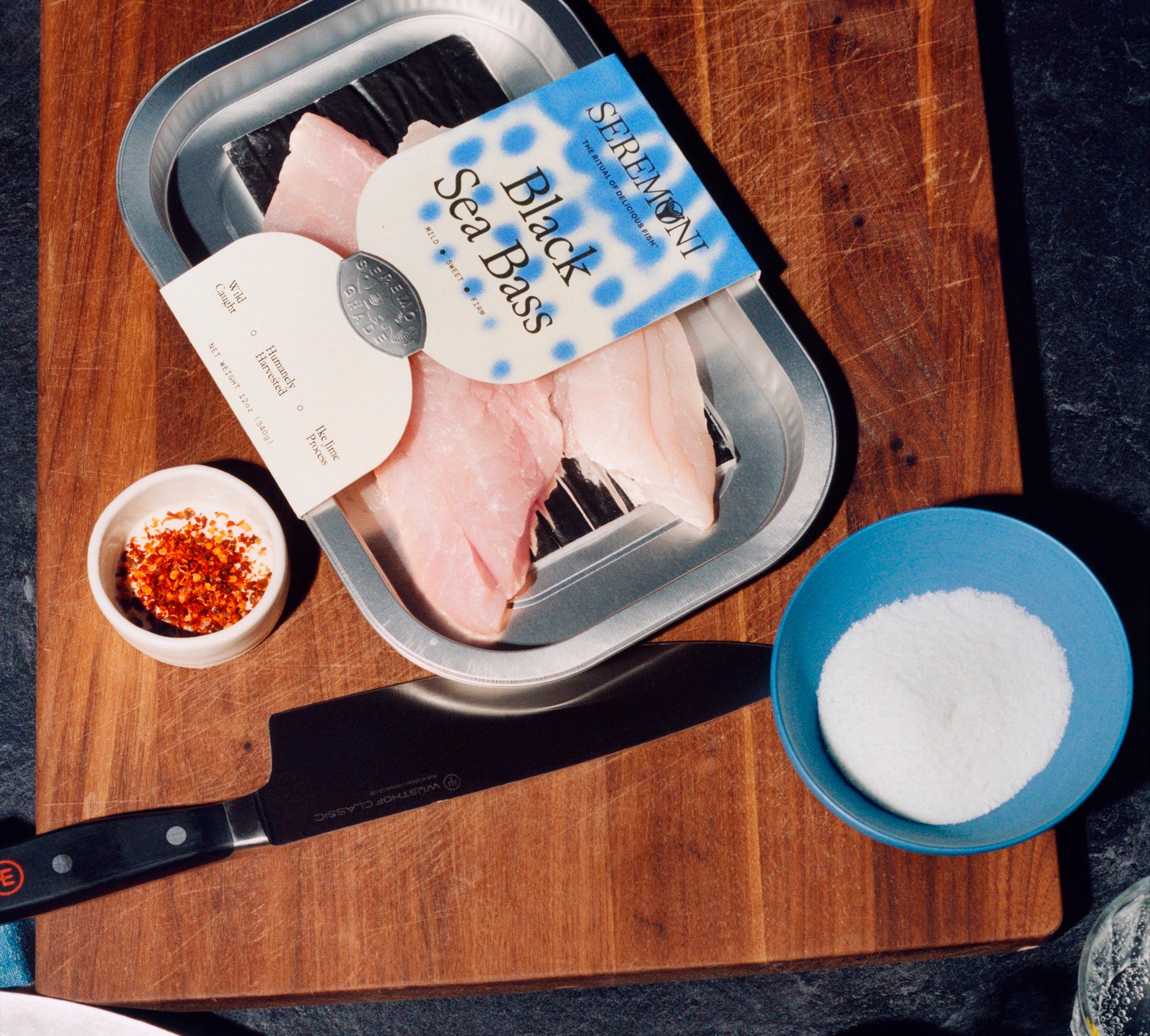
Seremoni didn’t start as a branding exercise or a new seafood label looking for shelf space. It started with a hard question about how fish are treated long before they ever reach a plate.
That question is central to the work of Angelina Skowronski, who spoke with The Quality Line about how Seremoni came to be, and how it fits into a broader effort to rethink quality, care, and accountability in seafood.
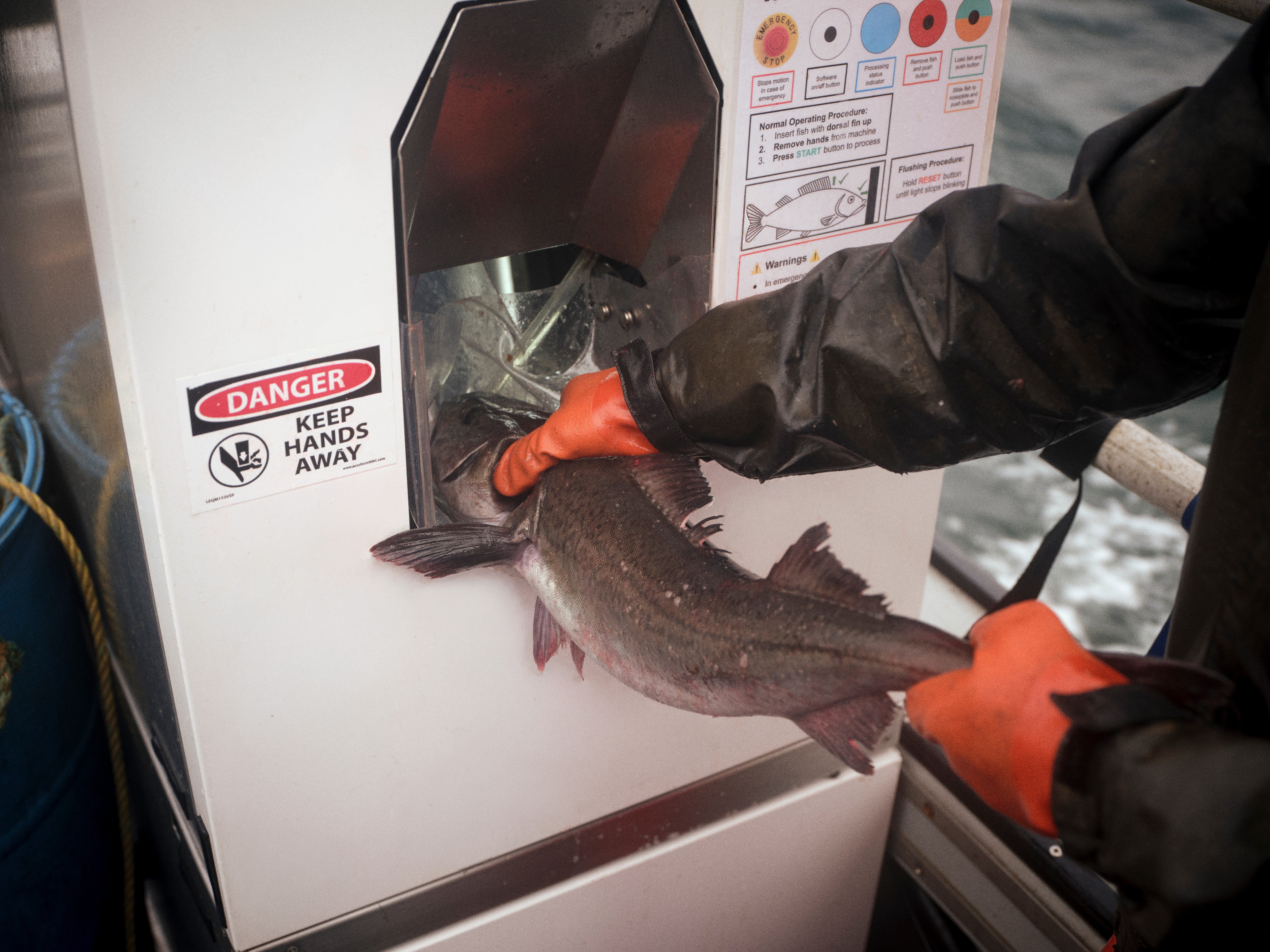
Angelina explains that the company’s roots trace back to founder and CEO Saif Khawaja’s time as a physics graduate student at the University of Pennsylvania. While in school, Khawaja read Peter Singer’s essay If Fish Could Scream, which forced him to confront the scale of suffering embedded in modern commercial fishing. That moment led him to learning about ike jime, a Japanese method of harvesting fish that is both more humane and widely recognized for producing exceptional quality.
Saif’s background made the connection feel personal. He grew up eating Halal and working on commercial fishing boats in Dubai, experiences that shaped his respect for animals and his belief that how food is harvested matters. Combined with his engineering training, that perspective became the foundation for the technology that would eventually power Seremoni.
As Angelina puts it, “Together, we’re on a mission to make humanely caught, Michelin-grade seafood accessible to all.”
That mission is reflected even in the company’s name. Seremoni is built around celebrating “the ritual of delicious fish.” For Angelina and her team, that ritual is not symbolic. “Every step in our proprietary handling process, from boat to plate, is treated as a ceremony,” she says. “Our company is built to elevate every fish to its fullest potential, transforming it into the best and most delicious food it can be.”
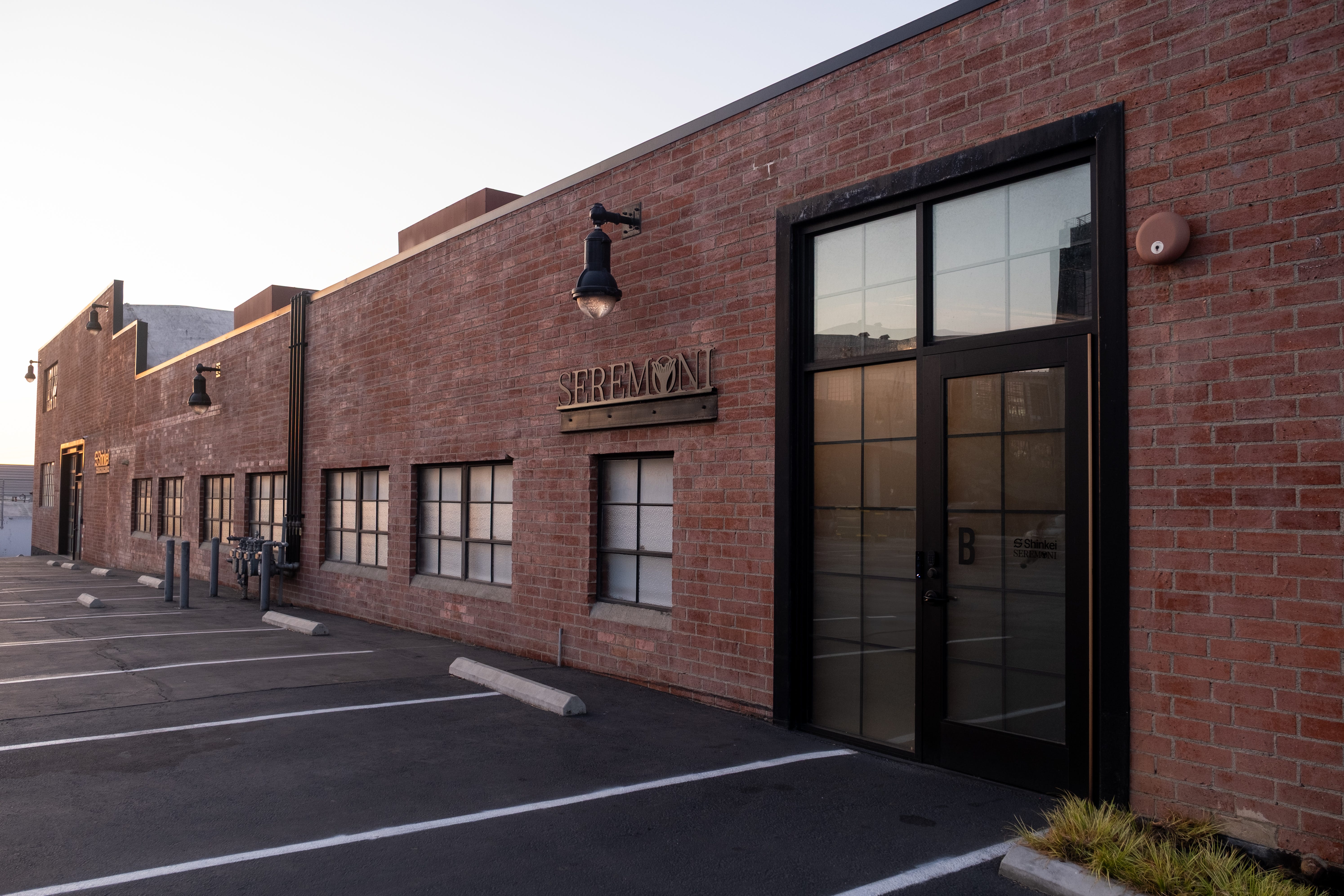
Two Companies, One System: Technology Meets the Market
A key part of Seremoni’s story, Angelina notes, is understanding how the operation is structured.
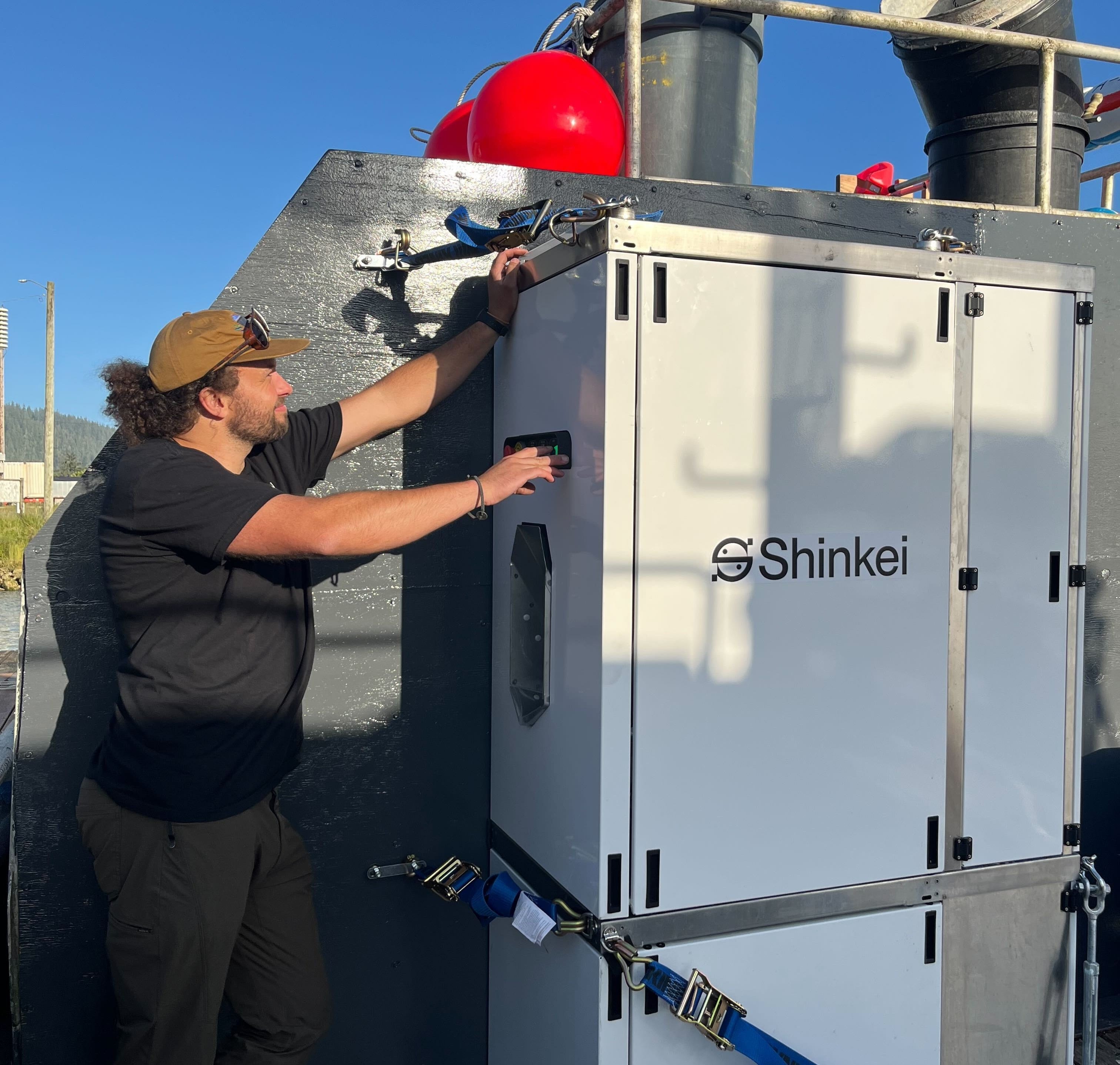
Shinkei Systems is the company that designs and manufactures the technology, including the Poseidon robot, that enables humane harvesting and consistent, high-quality handling at sea. Seremoni is the sales, marketing, and distribution arm that brings that fish to chefs, retailers, and consumers.
Angelina describes the relationship as intentional: the technology makes it possible to scale a method that was once limited to highly skilled, hands-on work, while Seremoni’s role is to make sure that effort translates into real value in the marketplace — for fishermen and buyers alike.
Quality, she explains, defines everything they do. “Our fishing practice is rooted in ike jime, a technique Japanese fishermen have perfected over decades. There is immense craft in their approach, so much so that many chefs consider it a privilege to buy their fish. We aim to bring that same level of precision and quality to our own work.”
That standard extends beyond equipment. Seremoni only works with MSC-certified fisheries or those rated “Best Choice” or “Good Choice” by the Monterey Bay Aquarium. “When looking for harvester partners, we view this as a long-term partnership,” Angelina says. “We seek to work with fishermen who want to improve the industry.”
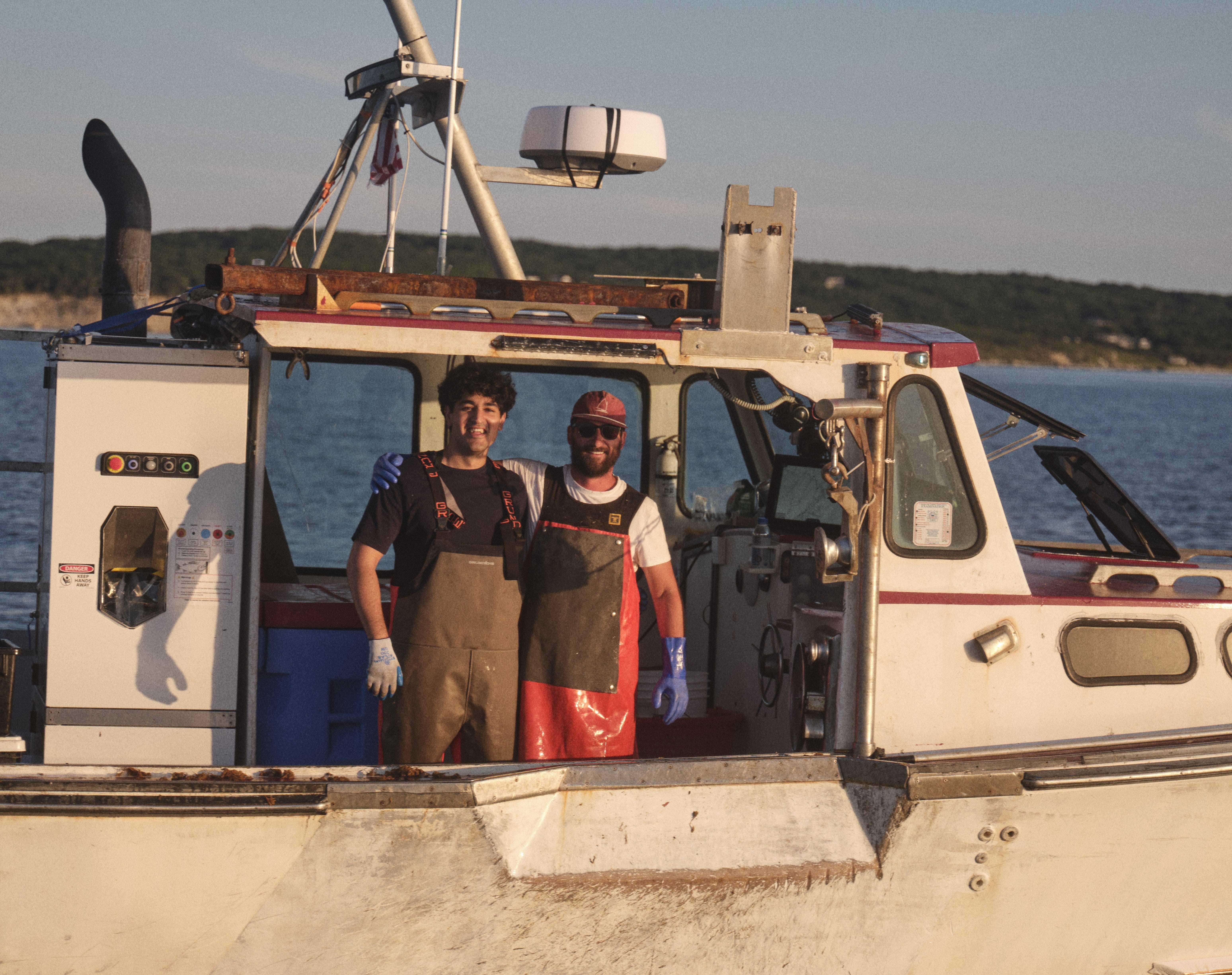
Those relationships are active, not transactional. Fishermen and deckhands regularly help refine the Poseidon system itself. “They’re constantly helping us improve the robot,” she notes, reinforcing that the technology evolves alongside the people using it.
The result is what Seremoni calls “Seremoni Grade” seafood: fish with Michelin-level texture and taste, and a shelf life up to three times longer than conventionally caught product. Consistency is critical. “We know how quickly trust in a brand can be lost after a single bad experience,” Angelina says. “We always prioritize people over profitability. We would never intentionally sell a damaged or degraded fish.”
Quality Over Quantity, in Practice
For Seremoni, quality over quantity isn’t a slogan. It’s a response to real limits.
“When it comes to wild capture fisheries, even with the most sustainable and precautionary management practices, fish stocks are in grave decline,” Angelina says. “If not by overfishing, then by climate change.”
By focusing on maximizing the value of each fish, Seremoni aims to reduce pressure on the resource itself. Their process extends shelf life scientifically, which directly addresses waste. “According to a UN FAO report, at least one in three wild-caught fish don’t make it to the plate,” she notes. Reducing that loss is central to their model.
Longer shelf life also opens logistical options. Instead of relying heavily on air freight, Seremoni can move fish using less carbon-intensive transportation while maintaining quality. Sustainability, in their view, is about responsibility across the entire system.
“For us, sustainability means taking responsibility for every step of the process, from the ecosystems under the water and how the fish is caught, to how it’s handled and transported on land and finally how it is enjoyed by tastebuds,” Angelina explains.
That same logic applies to fishermen’s livelihoods. Quality isn’t just about the product. “Our program helps fishermen increase their margins without increasing their catch,” she says. “We’re making the most of their quotas.”
Scaling Care Without Losing It
The tension between tradition and innovation sits at the center of Seremoni’s work. “That tension is actually the heart of what we do,” Angelina says. The humane harvesting method they champion is centuries old. What’s new is the ability to scale it consistently in U.S. fisheries.
“We’re not trying to replace tradition,” she explains. “We’re trying to preserve the best of it. Innovation is simply the tool that allows us to uphold those values at a commercial scale.”
Growth is essential to that goal. Seremoni’s technology allows a once-manual technique to be automated, opening the door to broader adoption. But scaling is constrained by relationships. Outfitting vessels, training crews, and maintaining standards takes time.
“At the end of the day, the hardest part of growth for us is keeping up with demand,” Angelina says. Interest from both fishermen and buyers continues to rise, but Seremoni is deliberate about expansion. “We are a relationships-driven company, so ultimately this process takes time and attention.”
Momentum is building nonetheless. Seremoni has expanded into retailers like FreshDirect and Wegmans in New York City, with seafood now available nationwide through specialty markets and featured in more than 40 Michelin-starred restaurants.
When someone buys Seremoni seafood, Angelina hopes they take away more than a great meal. “We want them to experience a new philosophy for what truly exceptional fish can be — a standard that makes the connection clear: when a fish is handled with care and respect, the quality speaks for itself.”
For readers of The Quality Line, that idea should sound familiar. In an industry long pushed toward speed and volume, Seremoni is betting on something else entirely: care, precision, and the belief that doing it right still matters.
Anna Nelson is a business and grant writing consultant specializing in commercial fishing businesses. She works with independent fishermen, fishing organizations, and seafood stakeholders to develop strategies for sustainability, market access, and industry resilience. Anna is the curator, editor, and one of the contributing authors to The Quality Line.